




Дотик
Mediation

Mediation

Mediation

A modern and effective way to resolve conflicts is through a neutral third party, the mediator. Their main goal is to help the parties find a mutual solution that considers the interests of each without the need to go to court or other administrative bodies.

Mediation is conducted with the mutual consent of the parties, in the form of joint or separate meetings, which can take place either in person or online. The procedure is based on the principles of:

  • voluntariness;
  • confidentiality;
  • neutrality, independence, and impartiality of the mediator;
  • equality of rights of the parties;
  • compliance with the requirements of the Law of Ukraine "On Mediation", the norms of professional ethics, and the terms of the Agreement to Mediate.

The role of the mediator:

  • organizes the negotiation process and ensures equality between the parties;
  • helps participants express their thoughts, emotions, and needs;
  • facilitates mutual understanding and the search for realistic solutions;
  • pays attention to the interests of children involved in the conflict;
  • offers consultation to the parties about their rights, obligations, and the formalization of the results of the procedure.

The parties may agree on interim solutions, test them, and restore trust. The final agreements are documented either orally or in writing, depending on legal requirements and the nature of the agreement.


Mediation

Registration for mediation

Frequently asked questions

Can mediation be used to resolve family conflicts?

Yes, mediation is an effective tool for resolving family conflicts, particularly during divorce, determining child visitation schedules, property division, or other important matters. Mediation is especially useful when:

  • The parties are willing to engage in dialogue and aim to reach a consensus;
  • Confidentiality and the speed of dispute resolution are important;
  • The participants want to maintain mutual understanding and preserve relationship in the future.

Even during court proceedings in family matters, the parties can turn to a mediator. This allows them to reach a mutually acceptable decision in an atmosphere of trust and respect, make a settlement agreement, modify claims, or simplify the court process.

Who is a mediator?

A mediator is a neutral, independent, and impartial third party who helps conflict participants engage in constructive dialogue, reach mutual understanding, and find common solutions. The mediator does not make decisions for the parties and does not take sides. The requirements for the status and training of a mediator are set by the Law of Ukraine "On Mediation".

How can I understand if I need mediation?

Before starting mediation, the mediator holds separate individual meetings with each party. This helps to determine whether the process is suitable for resolving your conflict. During such a meeting, you can:

  • Discuss the key issues you wish to resolve;
  • Learn about the mediation process, its principles, and the mediator's role;
  • Decide whether to participate in the process and invite the other party to the dialogue.

The mediator may also prepare for mediation by coordinating actions with the parties, such as consulting with lawyers or exchanging documents.

How does mediation take place?

Mediation is conducted with the mutual consent of the parties, in the form of joint or separate meetings, which can take place either in person or online. The procedure is based on the principles of voluntariness, confidentiality, neutrality, independence, and impartiality of the mediator, equality of rights of the parties, and compliance with the requirements of the Law of Ukraine "On Mediation", the norms of professional ethics, and the terms of the Agreement to Mediate.

The role of the mediator:

  • Organizes the negotiation process and ensures equality between the parties;
  • Helps participants express their thoughts, emotions, and needs;
  • Facilitates mutual understanding and the search for realistic solutions;
  • Pays attention to the interests of children involved in the conflict;
  • Offers consultation to the parties about their rights, obligations, and formalization of the results of the procedure.

The parties may agree on interim solutions, test them, and restore trust. The final agreements are documented either orally or in writing, depending on legal requirements and the nature of the agreement.

Is mediation possible with the participation of a child?

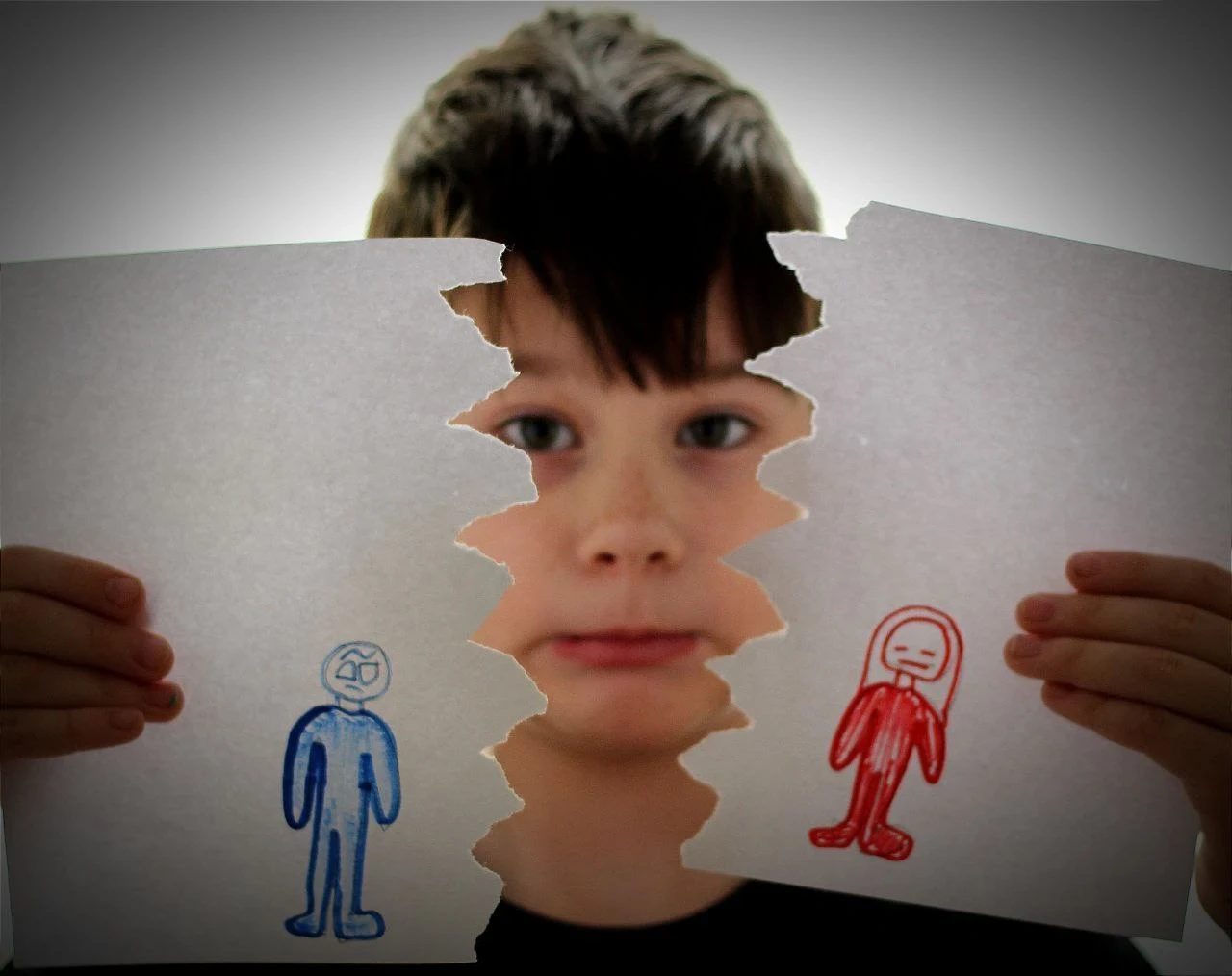
Yes, mediation can take place with the participation of a child, but it is done considering the child's age, needs, and legal requirements. In such cases, the mediator creates a safe environment for the child to express their thoughts, ensuring that their interests are taken into account when decisions are made by the parents.

What are the principles of mediation?

The principles of mediation are:

  • Voluntariness: All participants take part in the process willingly. No one can be forced to participate or make decisions through the mediation procedure.
  • Neutrality, independence, and impartiality of the mediator: The mediator maintains neutrality towards the parties and acts independently during the process, being unbiased to help the parties communicate, achieve understanding, and conduct negotiations.
  • Confidentiality: All discussions within the mediation remain private. Information is not disclosed unless required by law or agreed upon by the parties in writing.
  • Self-determination and equality of rights of the parties: Mediation participants decide for themselves which issues to discuss, how to resolve the conflict, and what the terms of the agreement will be. Each party has equal rights and opportunities, and the mediator ensures equal treatment of all participants.

Mediation is aimed at achieving an agreement that considers the interests of all parties while maintaining a positive atmosphere of interaction and trust.

What are the advantages of mediation?

  • Speed: Mediation helps avoid lengthy court processes.
  • Preservation of relationship: Instead of escalating the conflict, mediation helps restore or maintain mutual understanding.
  • Individual solutions: The parties themselves make decisions that suit their needs.
  • Emotional comfort: Mediation is conducted in a comfortable and supportive atmosphere.

How do we work?

Initial assessment

Initial assessment

Assessment of your needs and discussion of your request during the first consultation.

Planning support

Planning support

Development of an individual action plan to achieve your goals.

Implementation of sessions

Implementation of sessions

Conducting regular sessions according to your support plan.

Evaluation of results

Evaluation of results

Analyzing progress and adjusting the plan to achieve better outcomes.