Дотик
Contact Center

Contact Center

How do we help families?

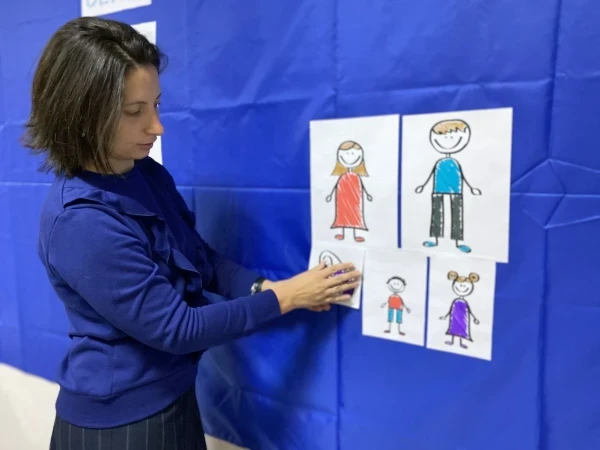
Family Center "Dotyk" is the supervised contact (restoration, establishment, improvement...) between a child and significant adults.

We provide this support comprehensively with an interdisciplinary, family-oriented approach, depending on what is needed for such contact (communication) to take place.

Our mission is to protect a child's right to a safe, stable, and supportive connection with loved ones, even in difficult life circumstances. We want every child in Ukraine to have:

  • a feeling of love and support from both parents or other important adults;
  • a stable emotional environment for development;
  • the opportunity to be heard and understood.
How do we help families?

Для родин військових

For military families

This service is aimed at supporting military families who face adaptation difficulties after their loved ones return from combat zones. The main goal is to help families restore harmonious relationship, overcome emotional and psychological challenges, and provide them with the necessary social support.

View more
Для прийомних родин та інших форм виховання

For foster families and other forms of caregiving

The development and improvement of the family placement system for orphans and children deprived of parental care is one of the priority areas of Ukraine’s social policy, as every year several thousand children are left without parental care.

View more

Frequently Asked Questions

Does the procedure of family mediation differ with biological and foster families?

If we compare the process of divorce in a biological family and a foster family, we will not find any differences: in both cases, it is accompanied by quarrels, suffering, court proceedings, searching for new housing, etc. 

Even the mediation process remains the same: individual informational and assessment meetings, joint meetings throughout the mediation procedure, discussion of the same issues, etc. However, there is a significant difference in how the members of the foster family—foster parents and аdopted—experience the divorce period.

Every child suffers when their biological parents, Mom and Dad, no longer love each other, decide to separate, and no longer live together, no matter how much they might want them to stay together. The child has to go through the entire process of personal grief and fight the pain of the divorce, while having support from both sides.

For a аdopted, it's different, more complicated. Divorce for them is yet another challenge, suffering that intensifies, and all this pain is inflicted by adults, once again, whom the child should have trusted. 

The mediator knows that аdopted often carry a significant amount of life experience that has left scars. They frequently struggle with low self-esteem, bitterness, anxiety, fear… they are children with a sense of guilt in any situation, even in the divorce of their foster parents.


What types of family disputes (conflicts) in foster families and other forms of upbringing can be addressed to the experts of the Family Center "Dotyk"?

Types of conflicts with foster families that have their own specific characteristics in working with them and can be resolved through family mediation:

  • Conflicts between foster non-resident parents, or between spouses who have adopted a child and are in the process of divorcing;
  • Conflicts between two groups of foster parents, each of whom has adopted several siblings from a large family;
  • Conflicts between foster parents and аdopted;
  • Conflicts between foster parents and teachers, social workers, and other specialists regarding a аdopted who has difficulties in learning, socializing, etc.;
  • Conflicts between the biological relatives of the аdopted and foster parents regarding contact with the child or parental responsibility for the аdopted.

Literature

Categories

Success stories

Other stories

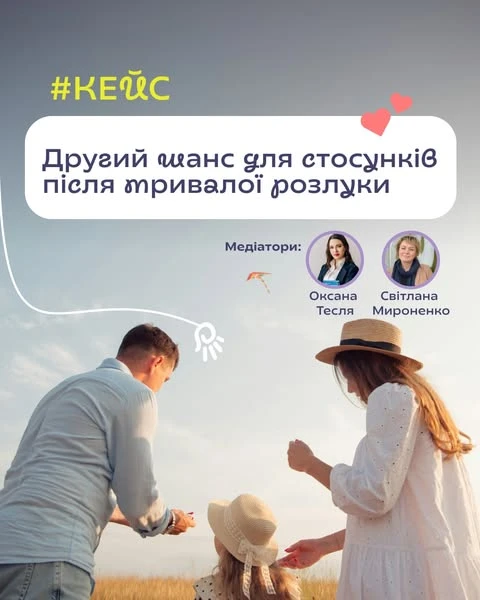
A second chance for a relationship after a long separation.

This case is a story about a couple who came to us with the desire to begin a new chapter in their relationship

Read more